MOSAIC Learning Pathway

Positionality

  • 1.5–3 hour conversation
  • Ages 12 and over
  • 3 MOSAIC cards
  • Free printable PDF

Thank you for being here!

Welcome to a community of people who are motivated to create cohesion through courageous conversations. We hope that these MOSAIC Pathways will support you to have healthy conversations about complex topics, so that we can collectively move closer to a more peaceful and inclusive society.

We know how busy life can get and that it can be difficult to find the time to be fully prepared for these conversations. Our team has designed this pathway as one possible way to structure a conversation around this topic. We welcome your feedback and suggested changes for this pathway, and any ideas you have for other pathway topics.

Learning about Positionality helps young people understand what shapes them and how their experiences can differ from others based on their identity and social background. Participants will also consider how their identities may create access or barriers to resources in society. The goal is to create a space where users, aged 12 and above can reflect on their own positions and engage in conversations that promote empathy and understanding.

Introduction

This pathway aims to help participants grasp the concept of Positionality, framing it as understanding ‘who they are in relation to others’. The conversations will help participants develop their self-awareness and empathy by reflecting on their unique social and cultural context and how it impacts the way they perceive and interact with the world.

Setting up the Conversation

Before getting stuck into the conversation, think how you might create a space that encourages open dialogue, vulnerability with purpose, and constructive engagement, where everyone involved feels empowered to share their experience without fear of judgment.

We encourage appropriate ice breaker and safety check out activities. We believe alongside those activities that this pathway can range in time from 1.5 hours to 3 hours.

Please consider further exploration through the Allyship and Building Cohesion pathways.

Creating a Safe and Accountable Space

  1. Acknowledge Diverse Experiences: Begin by acknowledging the diverse experiences present in the room. Everyone brings unique perspectives shaped by their backgrounds, identities, and lived experiences. This recognition lays the foundation for understanding and empathy.
  2. Variation in Knowledge Levels: Recognise the varying levels of knowledge about the topic. Some participants may be well-informed, while others may be exploring these concepts for the first time. Encourage an open mind and an attitude of curiosity for learning from one another.
  3. Sharing Personal Stories: Emphasise the importance of sharing personal stories, which can humanise the discussion and deepen understanding. Participants should feel empowered to share their experiences, knowing that doing so enriches the conversation.
  4. Ground Rules for Support: Establish ground rules for supporting each other throughout the conversation. Encourage active listening, empathy, and validation. Create a space where participants can express their thoughts and feelings without fear of judgement.
  5. Checking Comfort Levels: Set guidelines for checking in on comfort levels. Acknowledge that discussions around these topics can evoke strong emotions. Encourage participants to communicate when they need a pause or additional support.
    1. Check-in with Young Indigenous & People of Colour: Recognise that these topics/conversations may be more personal for young people of colour. Consider checking in with them individually before the session to gauge their comfort levels and address any concerns. During the conversation, be attentive to their reactions and provide opportunities for them to share or opt-out as needed.
    2. Addressing Power Dynamics: Be mindful of power dynamics within the group. Ensure that everyone has an opportunity to speak, and actively intervene if dominant voices overpower marginalised perspectives. Facilitate with an understanding of the intersectionality of identities and how they contribute to varied experiences of discrimination.
  6. Respecting Dissenting Views: Acknowledge the potential for differing opinions and viewpoints. Create an environment where dissenting views are acknowledged and discussed constructively through respectful dialogue. However, dissenting views do not mean participants are entitled to express views that are violent, discriminatory, or question the existence of other people. Respect for differing views does not include tolerating hateful and harmful speech. Ensure that conversations remain within the bounds of respectful communication, within an atmosphere where participants feel safe and valued. Encourage discussions that promote understanding rather than perpetuating harm and address any language or behaviour that may be harmful or disrespectful to others.

Support and Care for Young People

  1. Recognise Vulnerability: Understand that young people, especially those from marginalised communities, may feel vulnerable discussing these topics. Create an atmosphere that respects and values their emotions and perspectives.
  2. Provide Resources for Support: Offer resources and information for additional support. Encourage participants to seek help if needed, offer a post workshop support sheet.
  3. Empower Through Education: Empower young people through education. Provide resources that help build resilience and self-esteem. Highlight positive stories and examples of resilience within their communities.
  4. Anti-Racist Practice: Incorporate anti-racist principles into facilitation by emphasising the importance of dismantling racist structures and promoting inclusivity. Encourage young people to explore how they can actively contribute to anti-racist practices in their lives and build a sense of collective responsibility in creating a more equitable and just society.
  5. Encourage Allyship: Encourage participants to support one another, learn from shared experiences, and work together towards a more inclusive and equitable future.
MOSAIC Cards

These are the recommended MOSAIC cards you can use to explore Positionality. Some additional questions have been added to connect the cards.

MAPPING OPINIONS (STARTER QUESTIONS)

1

How do you describe your values and beliefs?

  • What are you particularly passionate about?
  • What things make you angry?
  • What values or beliefs do you think sit underneath this anger/passion?

Values: universal concepts about what matters most to us, they are what motivates us.

Beliefs: assumptions we hold true that uphold our values.

MAPPING OPINIONS (STARTER QUESTIONS)

10

What is/was an opinion that challenges you?

  • How do you feel when others hold different opinions to you?
  • How do you feel about people who hold different opinions?
  • How do you respond to people who hold different opinions?

MAPPING OPINIONS (STARTER QUESTIONS)

6

Who or what influences your worldview?

  • As you reflect, how do you feel about who or what is shaping your worldview?
  • Is there anyone or anything you want to remove?
  • Who or what would you want to add?

Supporting Resources

Here is a selection of relevant resources for facilitators and workshop participants to explore the topic of Positionality. We recommend that you engage with the resources beforehand; however, they may also be built into the structure of the session where appropriate.

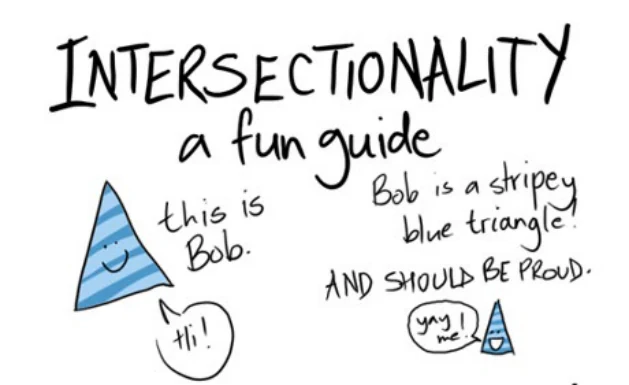
  • Hand-drawn infographic headed Intersectionality, a fun guide, introducing Bob the stripey blue triangle

    Illustration

    INTERSECTIONALITY – A FUN GUIDE, MIRIAM DOBSON

    Infographic explaining how aspects of identity are shaped by society and how these in turn can create exclusion.

    5 minutes reading time · Basic

  • Article (academic)

    INTERSECTIONALITY, IDENTITY AND POSITIONALITY

    Academic article explaining the difference between identity, positionality & outlining intersectionaltity.

    18 pages · High

    For facilitators or participants aged 18 and over

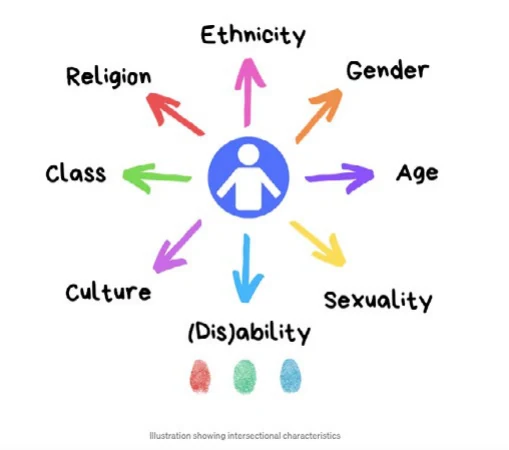
  • Diagram of a figure with arrows out to ethnicity, gender, age, sexuality, (dis)ability, culture, class and religion

    Article (blog)

    IDENTITY BEYOND DISABLITY

    Explains identity and concept of intersectionality in relation to disability, and impact on possibilities and outcomes.

    4 minute reading time · Moderate

    Can be used by facilitator and participants

The Conversation

The sequence is designed to progressively deepen participants’ insights into positionality, moving from introspective questions to thinking about external influences, and ending with reflections on the impact of understanding diverse positionalities.

A

Getting started

Begin the session with a light icebreaker to create a comfortable atmosphere e.g. ask each participant to share three aspects that they believe define who they are. Encourage them to consider personal experiences, cultural influences, and any other factors that come to mind.

What makes you, you?

This question begins exploring positionality by inviting participants to share aspects of themselves, introducing the concept of personal identity.

MAPPING OPINIONS (STARTER QUESTIONS)

1

How do you describe your values and beliefs?

  • What are you particularly passionate about?
  • What things make you angry?
  • What values or beliefs do you think sit underneath this anger/passion?

Values: universal concepts about what matters most to us, they are what motivates us.

Beliefs: assumptions we hold true that uphold our values.

This card helps participants connect and understand how their personal values and beliefs shape positionality.

B

Getting deeper

How do you feel when others hold different opinions from you?

This question prompts participants to reflect on their emotional responses when faced with differing opinions. This discussion highlights how positionality can impacts the way we react to diverse opinions.

Can you think of a time when your identity influenced the way you were perceived or treated?

This questions helps uncover instances where identity has impacted personal interactions and perceptions, broadening the understanding of positionality.

How might someone with a different cultural, ethnic, gender, etc., background perceive a common situation compared to you?

This question asks participants to consider the impact of positionality on perceptions, fostering empathy and highlighting the diverse lenses through which individuals view common situations.

MAPPING OPINIONS (STARTER QUESTIONS)

10

What is/was an opinion that challenges you?

  • How do you feel when others hold different opinions to you?
  • How do you feel about people who hold different opinions?
  • How do you respond to people who hold different opinions?

Encourage participants to confront differing opinions and explore the values and beliefs behind these perspectives.

MAPPING OPINIONS (STARTER QUESTIONS)

6

Who or what influences your worldview?

  • As you reflect, how do you feel about who or what is shaping your worldview?
  • Is there anyone or anything you want to remove?
  • Who or what would you want to add?

Invite participants to explore what external factors shape their individual perspectives and positionality and encourage reflection on potential influences to remove or embrace.

C

Wrapping up

Can you think of a time when understanding someone else’s positionality changed your perspective or actions?

Encourage participants to identify times where awareness of others’ positionality changed their own viewpoints or behaviour. This discussion highlights that positionality is dynamic and has the potential to change perspectives by understanding others’ experiences.

Reflection questions

Here are some questions to help you reflect on the conversation you’ve just had.

  • What are some key learnings/takeaways? How might these be shared with others and in what settings?
  • How has this Pathway impacted your understanding of positionality?
  • How might you apply your experience of this Pathway conversation?

After the Conversation

You might be keen to continue with your learning about this Pathway. Here are some extra resources that can deepen understanding.

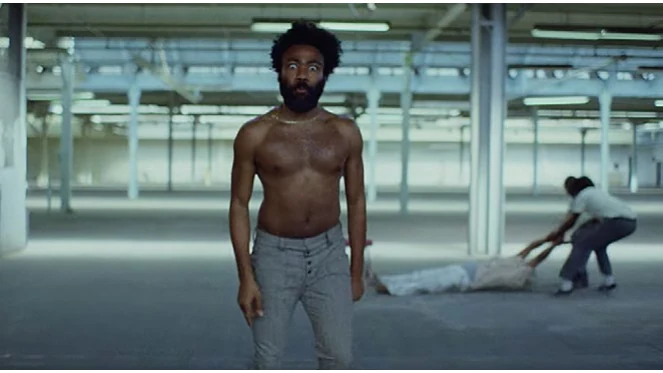
  • Childish Gambino standing in an empty warehouse, from the video for This Is America

    Song

    “THIS IS AMERICA” BY CHILDISH GAMBINO (DONALD GLOVER)

    This song addresses race, violence, and the complexities of the African American experience.

    4 minutes · Basic

    Violence, language

  • A woman holding an instant camera, from the video for Colors

    Song

    “COLORS” BY HALSEY

    Colors explores issues related to bisexuality and the challenges of navigating societal expectations.

    4 minutes · Basic

  • A wedding scene from the video for Same Love

    Song

    “SAME LOVE” BY MACKLEMORE & RYAN LEWIS FT. MARY LAMBERT

    The song addresses LGBTQ+ rights and challenges societal norms surrounding sexuality.

    5 minutes · Basic

  • Title art for the documentary 13th: a shackled figure walking behind prison bars

    Documentary

    “13TH” (2016)

    A documentary that explores the intersection of race, justice, and mass incarceration in the United States.

    M, 100 minutes · Moderate

    CW: slavery, racism

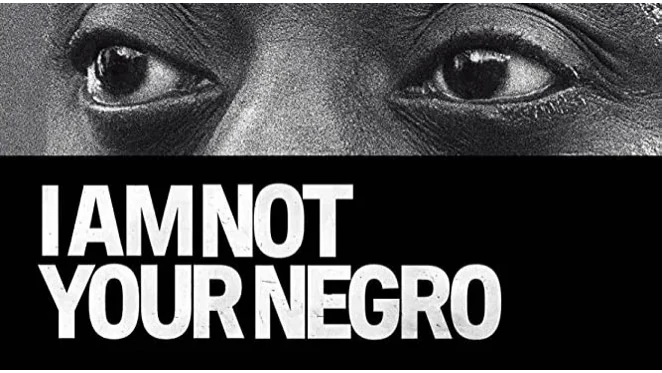
  • Poster art for the documentary I Am Not Your Negro

    Documentary

    “I AM NOT YOUR NEGRO” (2016):

    Based on James Baldwin’s writings, this documentary examines race in America through the lens of the civil rights movement.

    M, 90 minutes · High

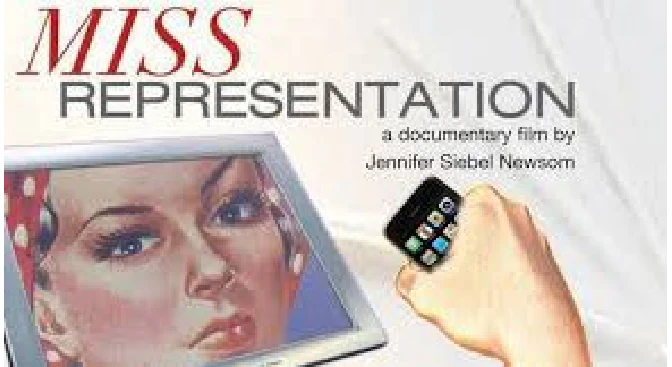
  • Poster art for the documentary Miss Representation

    Documentary

    “MISS REPRESENTATION” (2011)

    Explores how media shapes perceptions of gender and the impact it has on societal expectations.

    PG (recommended), 85 minutes · Moderate

Support

We know these conversations can be difficult and bring up a range of experiences and deep emotions, which is totally valid. If you would like some support, here are some contact details for suggested support organisations and communities. Here is a list of organisations that can support young people regarding identity in Aotearoa New Zealand:

Take it with you

This whole pathway, formatted for print — set up the room, deal the cards, have the conversation.

Download the PDF