MOSAIC Learning Pathway

What is woke?

  • 1.5–3 hour conversation
  • Ages 14 and over
  • 6 MOSAIC cards
  • Free printable PDF

Thank you for being here!

Welcome to a community of people who are motivated to create cohesion through courageous conversations. We hope that these MOSAIC Pathways will support you to have healthy conversations about complex topics, so that we can collectively move closer to a more peaceful and inclusive society.

We know how busy life can get and that it can be difficult to find the time to be fully prepared for these conversations. Our team has designed this pathway as one possible way to structure a conversation around this topic. We welcome your feedback and suggested changes for this pathway, and any ideas you have for other pathway topics.

Introduction

This MOSAIC Pathway explores the concept of being ‘woke’ or ‘wokeness’ and is recommended for participants aged 14 and above. This pathway aims to provide participants with an understanding of the term ‘woke,’ its history and usage. The provided resources and questions encourage participants to critically explore how the term is used by different groups and individuals. It is weaponised by some to downplay the struggles of marginalised groups. At the same time it is used by others to foster safe environments and raise awareness of societal threats that endanger marginalised individuals. Through respectful discussion, this pathway aims to foster empathy and allyship between individuals.

Setting up the Conversation

Before getting stuck into the conversation, think how you might create a space that encourages open dialogue, vulnerability with purpose, and constructive engagement, where everyone involved feels empowered to share their experience without fear of judgment.

We encourage appropriate ice breaker and safety check out activities. We believe alongside those activities that this pathway can range in time from 1.5 hours to 3 hours.

Please consider further exploration through the Racism and White Supremacy pathways.

Creating a Safe and Accountable Space

  1. Acknowledge Diverse Experiences: Begin by acknowledging the diverse experiences present in the room. Everyone brings unique perspectives shaped by their backgrounds, identities, and lived experiences. This recognition lays the foundation for understanding and empathy.
  2. Variation in Knowledge Levels: Recognise the varying levels of knowledge about the topic. Some participants may be well-informed, while others may be exploring these concepts for the first time. Encourage an open mind and an attitude of curiosity for learning from one another.
  3. Sharing Personal Stories: Emphasise the importance of sharing personal stories, which can humanise the discussion and deepen understanding. Participants should feel empowered to share their experiences, knowing that doing so enriches the conversation.
  4. Ground Rules for Support: Establish ground rules for supporting each other throughout the conversation. Encourage active listening, empathy, and validation. Create a space where participants can express their thoughts and feelings without fear of judgement.
  5. Checking Comfort Levels: Set guidelines for checking in on comfort levels. Acknowledge that discussions around these topics can evoke strong emotions. Encourage participants to communicate when they need a pause or additional support.
    1. Check-in with Young Indigenous & People of Colour: Recognise that these topics/conversations may be more personal for young people of colour. Consider checking in with them individually before the session to gauge their comfort levels and address any concerns. During the conversation, be attentive to their reactions and provide opportunities for them to share or opt-out as needed.
    2. Addressing Power Dynamics: Be mindful of power dynamics within the group. Ensure that everyone has an opportunity to speak, and actively intervene if dominant voices overpower marginalised perspectives. Facilitate with an understanding of the intersectionality of identities and how they contribute to varied experiences of discrimination.
  6. Respecting Dissenting Views: Acknowledge the potential for differing opinions and viewpoints. Create an environment where dissenting views are acknowledged and discussed constructively through respectful dialogue. However, dissenting views do not mean participants are entitled to express views that are violent, discriminatory, or question the existence of other people. Respect for differing views does not include tolerating hateful and harmful speech. Ensure that conversations remain within the bounds of respectful communication, within an atmosphere where participants feel safe and valued. Encourage discussions that promote understanding rather than perpetuating harm and address any language or behaviour that may be harmful or disrespectful to others.

Support and Care for Young People

  1. Recognise Vulnerability: Understand that young people, especially those from marginalised communities, may feel vulnerable discussing these topics. Create an atmosphere that respects and values their emotions and perspectives.
  2. Provide Resources for Support: Offer resources and information for additional support. Encourage participants to seek help if needed, offer a post workshop support sheet.
  3. Empower Through Education: Empower young people through education. Provide resources that help build resilience and self-esteem. Highlight positive stories and examples of resilience within their communities.
  4. Anti-Racist Practice: Incorporate anti-racist principles into facilitation by emphasising the importance of dismantling racist structures and promoting inclusivity. Encourage young people to explore how they can actively contribute to anti-racist practices in their lives and build a sense of collective responsibility in creating a more equitable and just society.
  5. Encourage Allyship: Encourage participants to support one another, learn from shared experiences, and work together towards a more inclusive and equitable future.
MOSAIC Cards

These are the recommended MOSAIC cards you can use to explore the theme What is ‘woke?’. Please note we have suggested an order for the cards below in the Conversation section.

SHIFTING ATTITUDES (COURAGEOUS CONVERSATIONS)

16

What are some racial stereotypes about your identity?

  • What contributes to these stereotypes?
  • How might stereotypes influence how you treat other people?
  • What unhelpful stereotypes are you aware of?

SHIFTING ATTITUDES (COURAGEOUS CONVERSATIONS)

17

What is the difference between racism, discrimination and xenophobia?

  • Think of examples that have impacted you or people you care about.
  • When does this become systemic and what does that look like?

SHIFTING ATTITUDES (COURAGEOUS CONVERSATIONS)

18

What are antisemitism, islamophobia, homophobia and transphobia?

  • Where have you observed, heard or experienced these things?
  • How did you feel?

SHIFTING ATTITUDES (COURAGEOUS CONVERSATIONS)

19

What is white supremacy?

  • What are examples of white supremacy, historical and current, and the ideas they promote?
  • How would you recognize something that supports or advocates white supremacist ideas?

SHIFTING ATTITUDES (COURAGEOUS CONVERSATIONS)

23

What is 'woke'?

  • What are topics often described as 'woke'? How do you feel about that?
  • What are negative or positive things you have heard about something or someone being called 'woke'?

SHIFTING ATTITUDES (COURAGEOUS CONVERSATIONS)

24

What is 'privilege'?

  • What advantages do you have based on your identity (gender, race, class or sexuality)?
  • What does it look like to move from holding privilege with guilt to holding it with gratitude?
  • How can you use privilege to support others?

Supporting Resources

Here is a selection of relevant resources for facilitators and workshop participants to explore the topic of What is woke? We recommend that you engage with the resources beforehand; however, they may also be built into the structure of the session where appropriate.

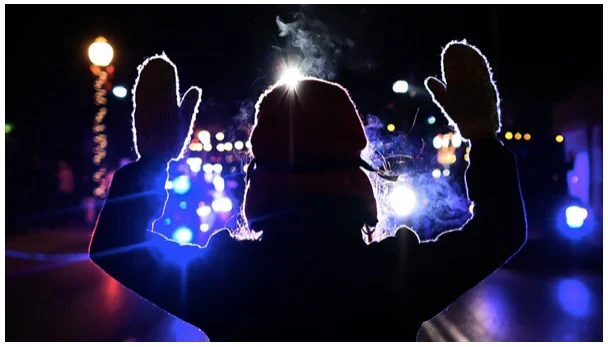
  • Silhouetted hands raised at a night-time protest, lit blue and white

    Article

    VOX ARTICLE: A HISTORY OF “WOKENESS” - AJA ROMANO

    This article describes the history, origin and evolution of the word ‘woke.’ It details how the word, originally used and intended to be a “watchword for the black community and black activists became co-opted in the culture war.”

    45 minutes · Moderate

    This article contains graphic content related to racial violence, police brutality and mention of sexual assault.

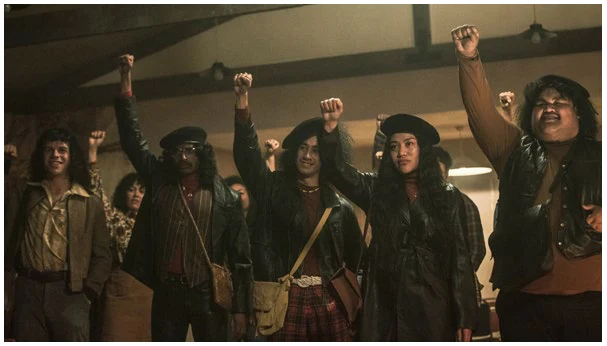
  • Cast of the series The Panthers with fists raised in a hall

    TV Series

    THE PANTHERS

    Film series depicting 1974 Auckland where a group of Polynesian students and community members form a revolutionary movement for justice and equality.

    45 minute episodes · Moderate

    16+, Contains explicit language and graphic content related to racial violence and police brutality

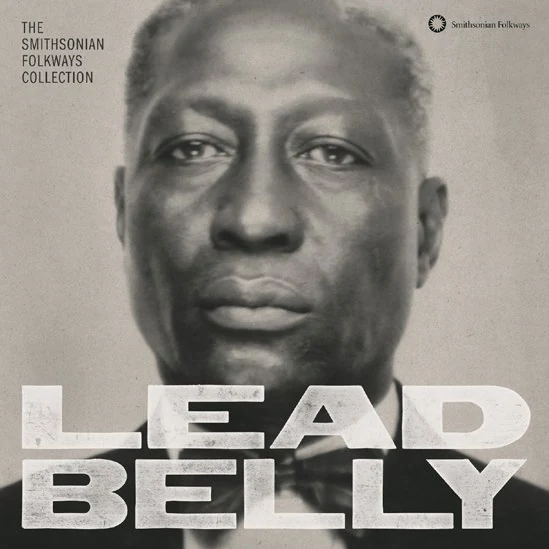
  • Sleeve of the Smithsonian Folkways collection showing a portrait of Lead Belly

    Song

    THE SCOTTSBORO BOYS – LEAD BELLY

    The song recounts the infamous Scottsboro Boys case where nine African American teenagers were wrongly accused of raping two white women in the 1930s. The song highlights racial injustice and became a significant cultural artifact, contributing to awareness of systemic racism and the fight for civil rights.

    5 minutes · Basic

    Content warning: Sexual violence,

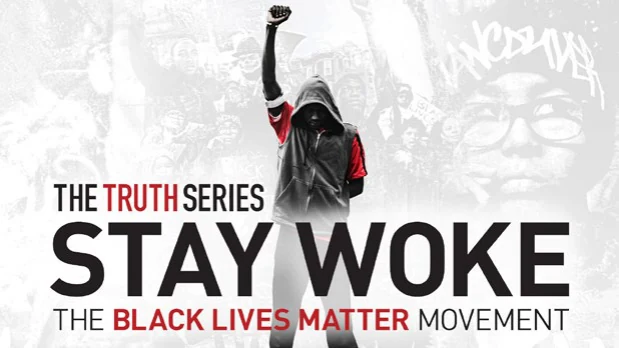
  • Title card reading The Truth Series: Stay Woke, The Black Lives Matter Movement

    Documentary

    STAY WOKE: THE BLACK LIVES MATTER MOVEMENT

    ‘Stay Woke’ explores the origins and evolution of the Black Lives Matter Movement, highlighting its impact on social activism.

    40 minutes · Moderate

    Dir. Lauren Grant, 2016

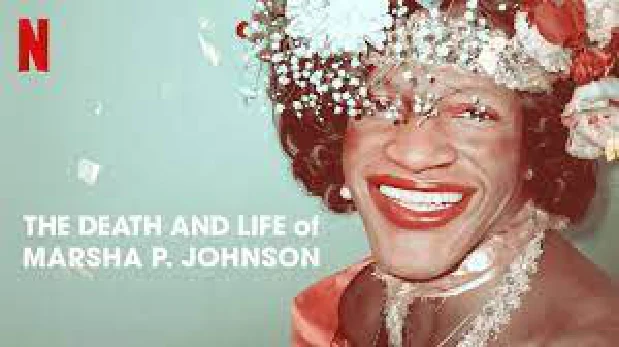
  • Marsha P. Johnson in a flower crown, from the documentary’s title card

    Documentary

    THE DEATH & LIFE OF MARSHA P. JOHNSON

    This documentary investigates the mysterious death of Marsha P. Johnson, a transgender activist and key figure in the LGBTQ+ rights movement. The film explores her life, impact and the challenges faced by the transgender community.

    Moderate

    M, contains discussion of violence, suicide, and LGBTQ+ discrimination

The Conversation

A

Getting started

SHIFTING ATTITUDES (COURAGEOUS CONVERSATIONS)

23

What is 'woke'?

  • What are topics often described as 'woke'? How do you feel about that?
  • What are negative or positive things you have heard about something or someone being called 'woke'?

Start with this question to gauge audience understanding of the term and how it is used. Ensure that participants understand that being ‘woke’ is not a status symbol to be lorded over others. ‘Wokeness’ is about social-political awareness, which in its best form helps marginalised individuals and their allies become aware of factors which contribute to their oppression.

Follow up questions

When did you first hear it being used and in what context?

What was your initial understanding of the term after hearing it used for the first time?

SHIFTING ATTITUDES (COURAGEOUS CONVERSATIONS)

19

What is white supremacy?

  • What are examples of white supremacy, historical and current, and the ideas they promote?
  • How would you recognize something that supports or advocates white supremacist ideas?

Encourage participants to reflect on their understanding of white supremacy and how it relates to ‘wokeness’. This card can be explored in more depth through the White Supremacy Pathway.

B

Getting deeper

SHIFTING ATTITUDES (COURAGEOUS CONVERSATIONS)

24

What is 'privilege'?

  • What advantages do you have based on your identity (gender, race, class or sexuality)?
  • What does it look like to move from holding privilege with guilt to holding it with gratitude?
  • How can you use privilege to support others?

This question encourages participants to think about how different groups experience various advantages or disadvantages and promotes understanding of the disparities and inequalities that exist in society.

SHIFTING ATTITUDES (COURAGEOUS CONVERSATIONS)

16

What are some racial stereotypes about your identity?

  • What contributes to these stereotypes?
  • How might stereotypes influence how you treat other people?
  • What unhelpful stereotypes are you aware of?

Racial stereotypes are a by-product of white supremacy. This question and its follow-up prompt participants to safely share and examine the impact of racial stereotypes interpersonally and systemically.

Follow up questions

How might you challenge harmful stereotypes that you come across? Why is this important?

SHIFTING ATTITUDES (COURAGEOUS CONVERSATIONS)

17

What is the difference between racism, discrimination and xenophobia?

  • Think of examples that have impacted you or people you care about.
  • When does this become systemic and what does that look like?

Being ‘woke’ reflects heightened awareness of systemic inequalities. This question explores differences between these terms and helps participants to identify the interconnectedness of various forms of oppression.

Follow up questions

What are some examples of these terms that have impacted you or people you care about?

SHIFTING ATTITUDES (COURAGEOUS CONVERSATIONS)

18

What are antisemitism, islamophobia, homophobia and transphobia?

  • Where have you observed, heard or experienced these things?
  • How did you feel?

This question highlights specific forms of discrimination and supports participants to consider the unique challenges faced by different communities and the need to combat not only racial injustices but also religious, gender-based, and LGBTQ+ discrimination.

Follow up questions

How do these concepts help uphold white supremacy?

What can we do to challenge these ideas to become better allies to groups who are negatively impacted by them?

C

Wrapping up

Reflection questions

Here are some questions to help you reflect on the conversation you’ve just had.

  • What are some key learnings/takeaways? How might these be shared with others and in what settings?
  • How has this pathway impacted your understanding of ‘wokeness’?
  • How might you apply your experience of this pathway conversation?

After the Conversation

You might be keen to continue with your learning. Here are some extra resources that can deepen understanding.

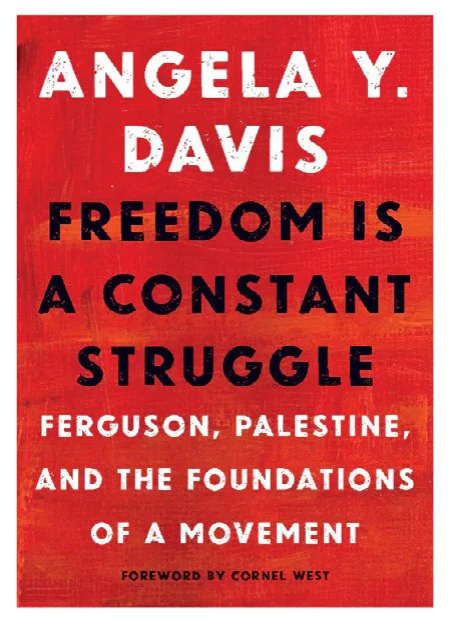
  • Cover of Angela Y. Davis’s book Freedom Is a Constant Struggle

    Book

    FREEDOM IS A CONSTANT STRUGGLE: FERGUSON, PALESTINE, AND THE FOUNDATIONS OF A MOVEMENT BY ANGELA DAVIS

    This is a collection of essays, interviews, and speeches that address interconnected issues of race, gender, class, and incarceration.

    158 pages · Moderate

  • Documentary

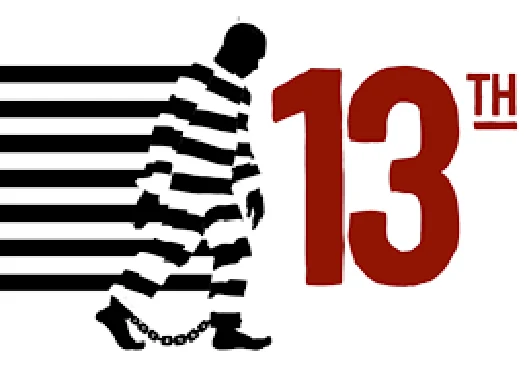
    13TH (2016)

    The film “13th” directed by Ava DuVernay, explores the intersection of race, justice, and mass incarceration in the United States.

    100 minutes · Moderate

    M, CW: slavery, racism

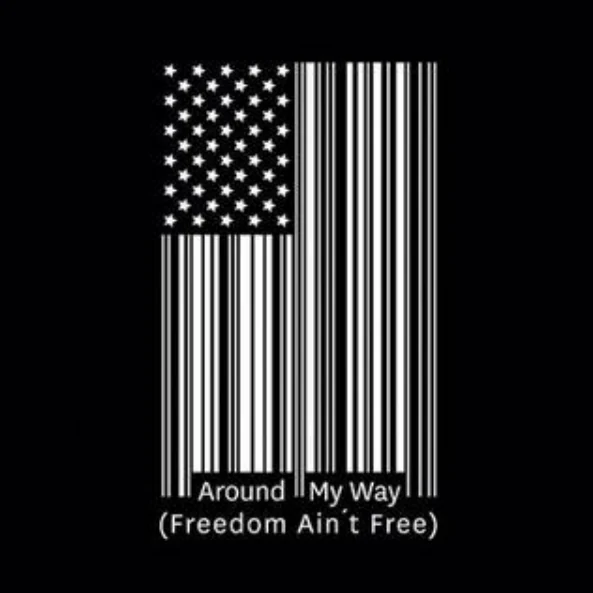
  • Artwork showing a US flag rendered as a barcode, captioned Around My Way (Freedom Ain’t Free)

    Song

    LUPE FIASCO - AROUND MY WAY [FREEDOM AIN’T FREE]

    This song reflects on societal issues and injustices against marginalised groups and the role that white supremacy plays in them.

    4 minutes · High

    Explicit language

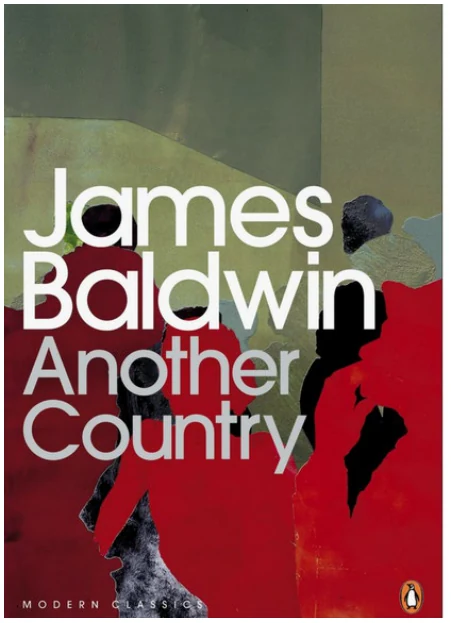
  • Cover of James Baldwin’s novel Another Country

    Book

    ANOTHER COUNTRY – JAMES BALDWIN

    This novel follows the lives of a group of friends in 1950s America. It explores their relationships, struggles and the intersections of race, sexuality, and identity.

    426 pages · Moderate

Support

We know these conversations can be difficult and bring up a range of experiences and deep emotions, which is totally valid. If you would like some support, here are some organisations that you can lean on to help you to process:

Take it with you

This whole pathway, formatted for print — set up the room, deal the cards, have the conversation.

Download the PDF